
In the bustling streets of Bengaluru around 2010–2011, a simple yet powerful question brought three engineers together: What if we could turn urban food waste into clean energy, without the mess of traditional systems?
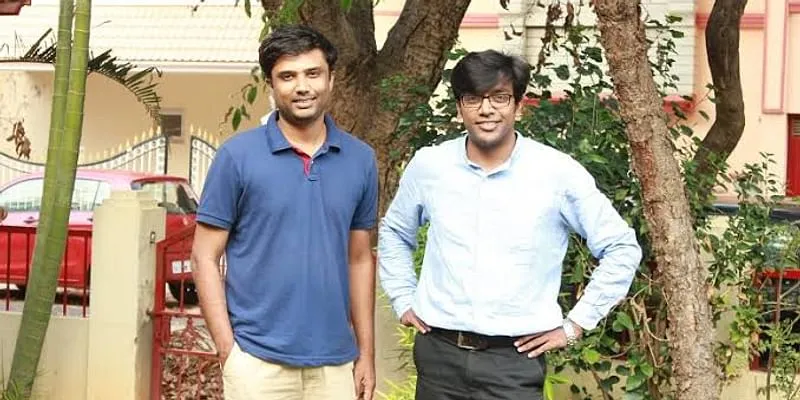
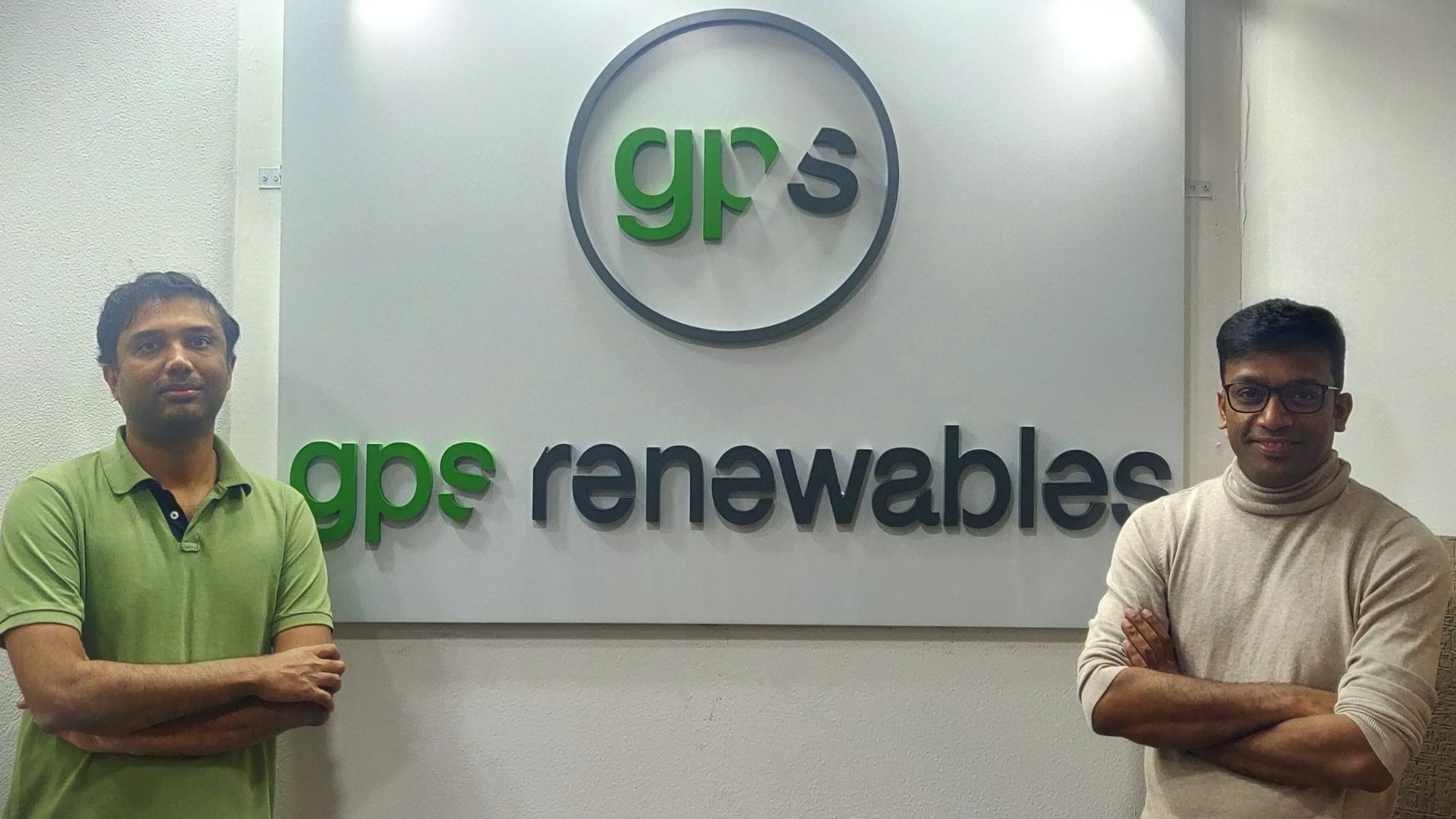
Gobar gas plants, though effective in rural setups, were ill-suited for cities. They were bulky, odorous, and impractical for the hospitality and corporate campuses rapidly shaping modern India. We saw an opportunity to rethink this. And so, in 2012, GPS Renewables was born.
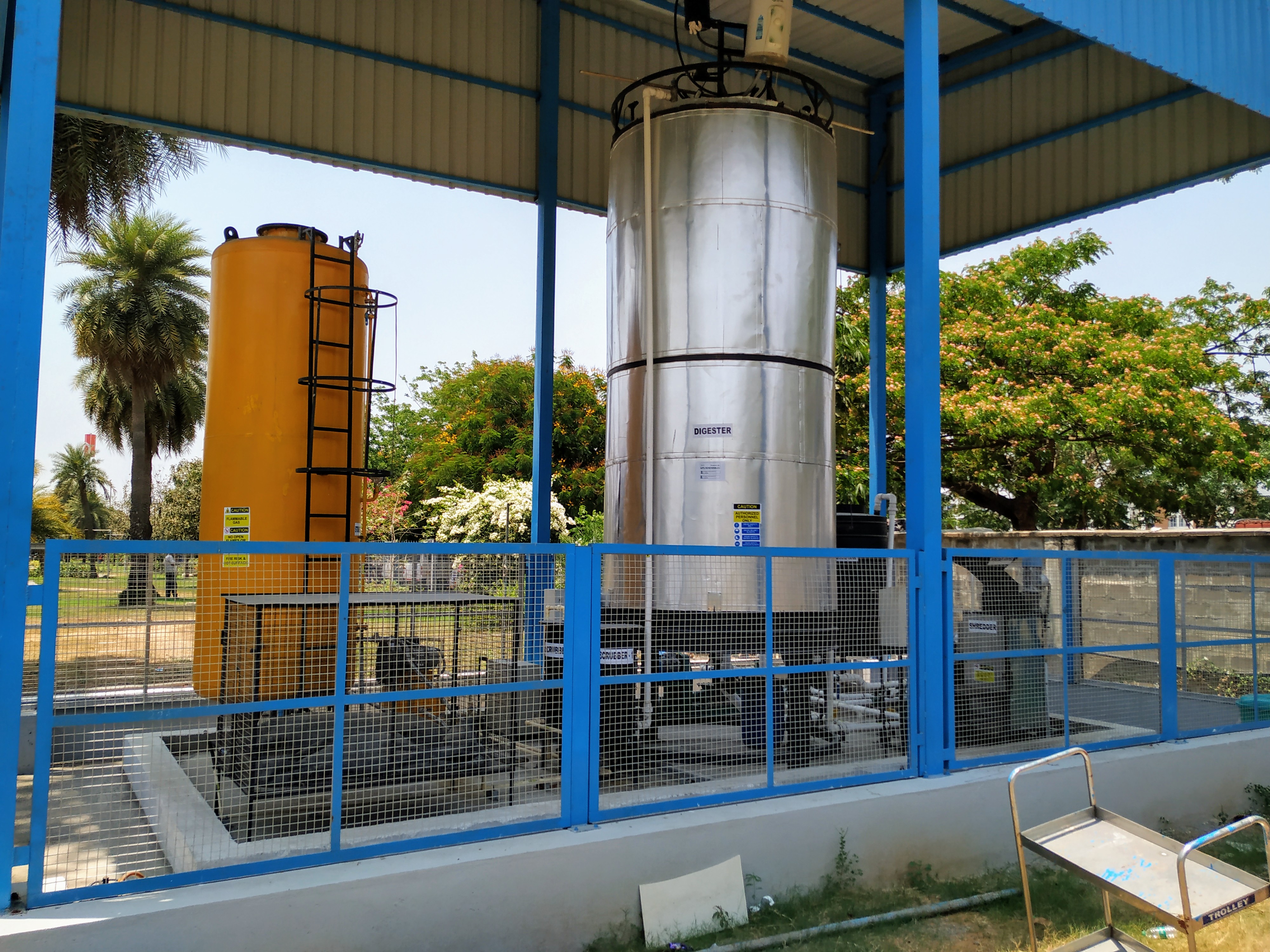
BioUrja - SaintGobain
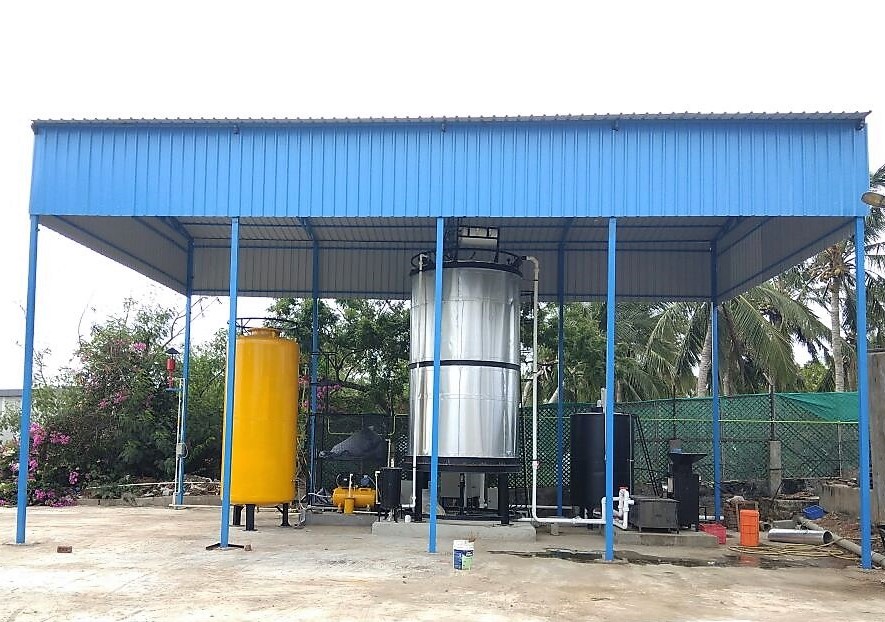
BioUrja Taj
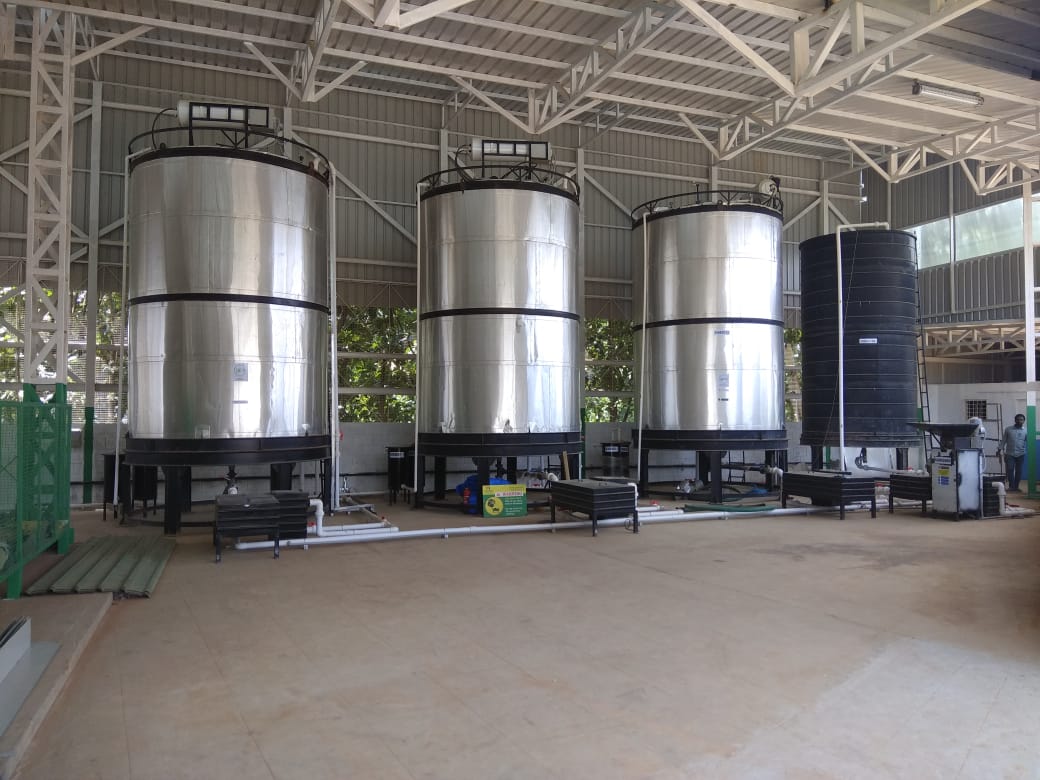
BioUrja 3TPD
Our first innovation was BioUrja, a compact, in-situ biogas system designed for bulk waste generators. Five-star hotels, IT parks, and educational campuses could now convert food waste into clean biogas, stripped of H₂S and piped straight into kitchens at 4–5 bar pressure.
Our first client - Akshaya Patra.
Our first bulk deal - Infosys.
Over the next few years, we deployed 100+ decentralized plants across India for clients like ITC, Marriott, Bosch, and Microsoft. BioUrja became synonymous with reliability in urban biogas solutions. And while the industry was still warming up to the idea of clean fuels, we were already fuelling hotels and campuses with it.
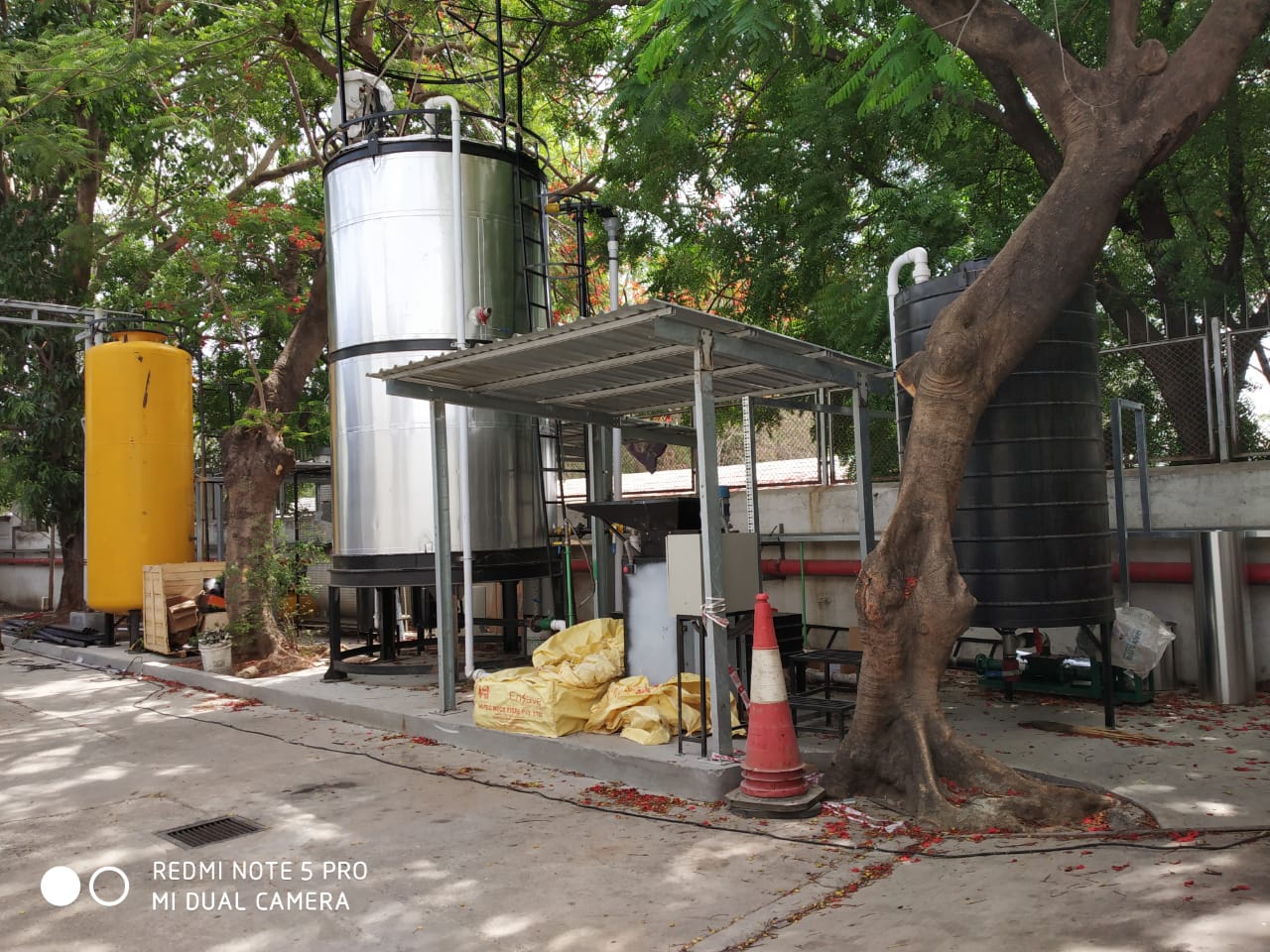
BioUrja Bosch
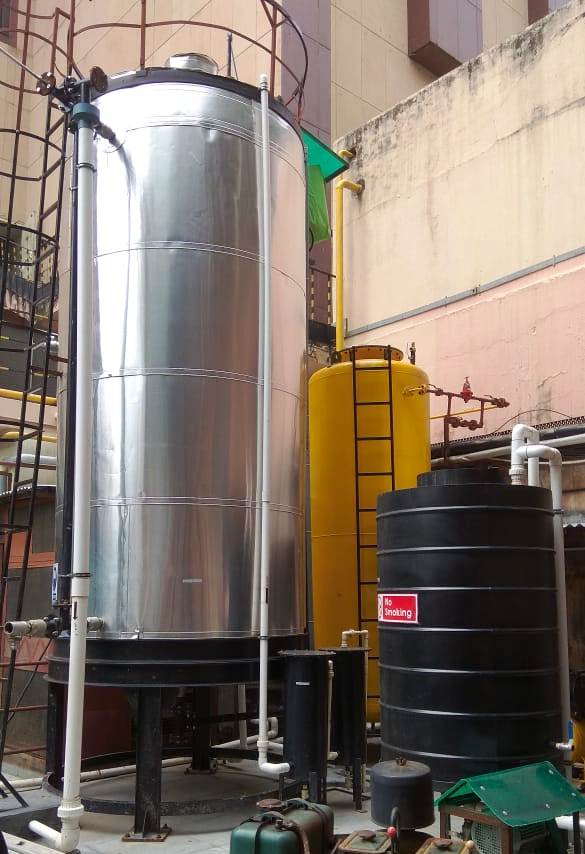
BioUrja ITC
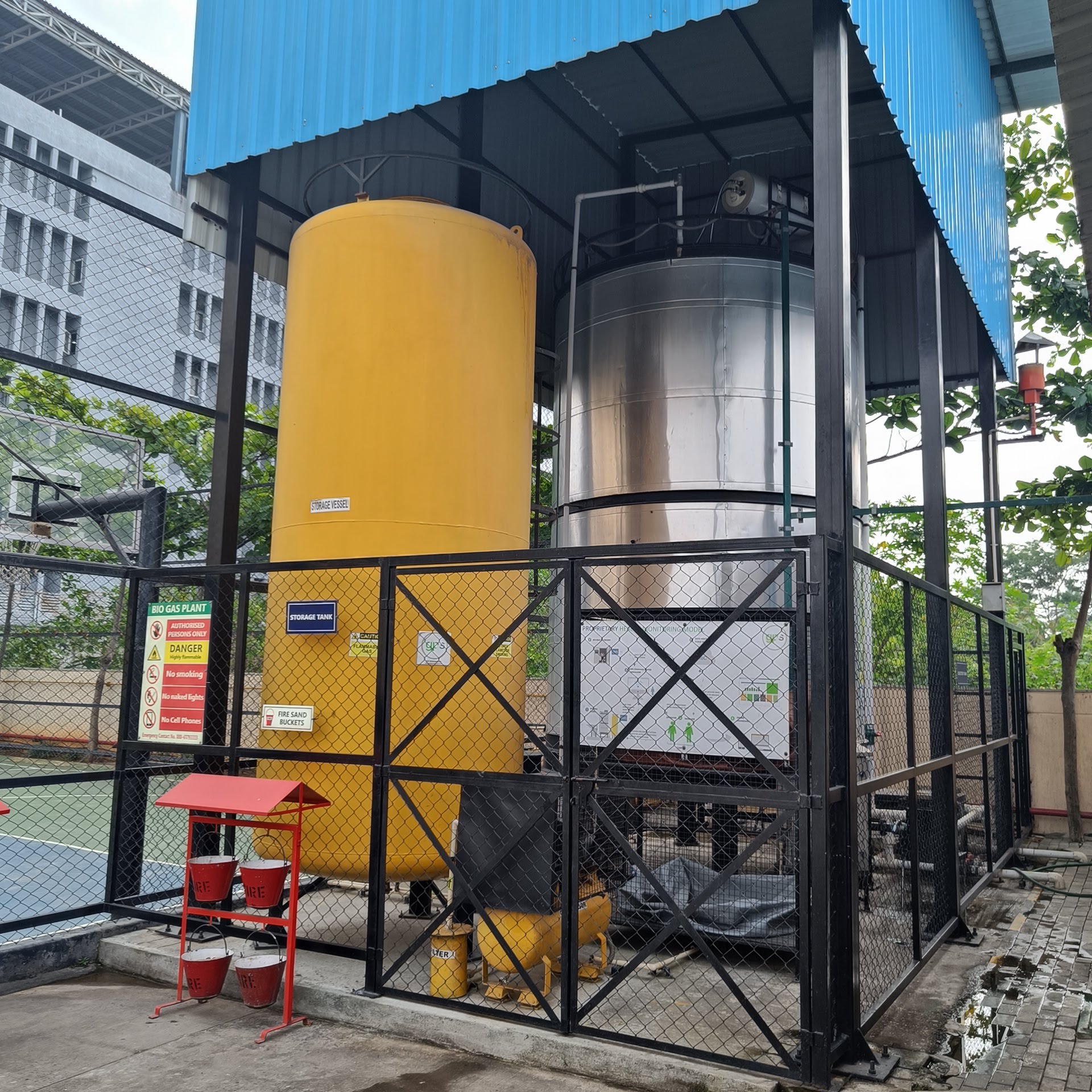
BioUrja Microsoft
Then came the shift...
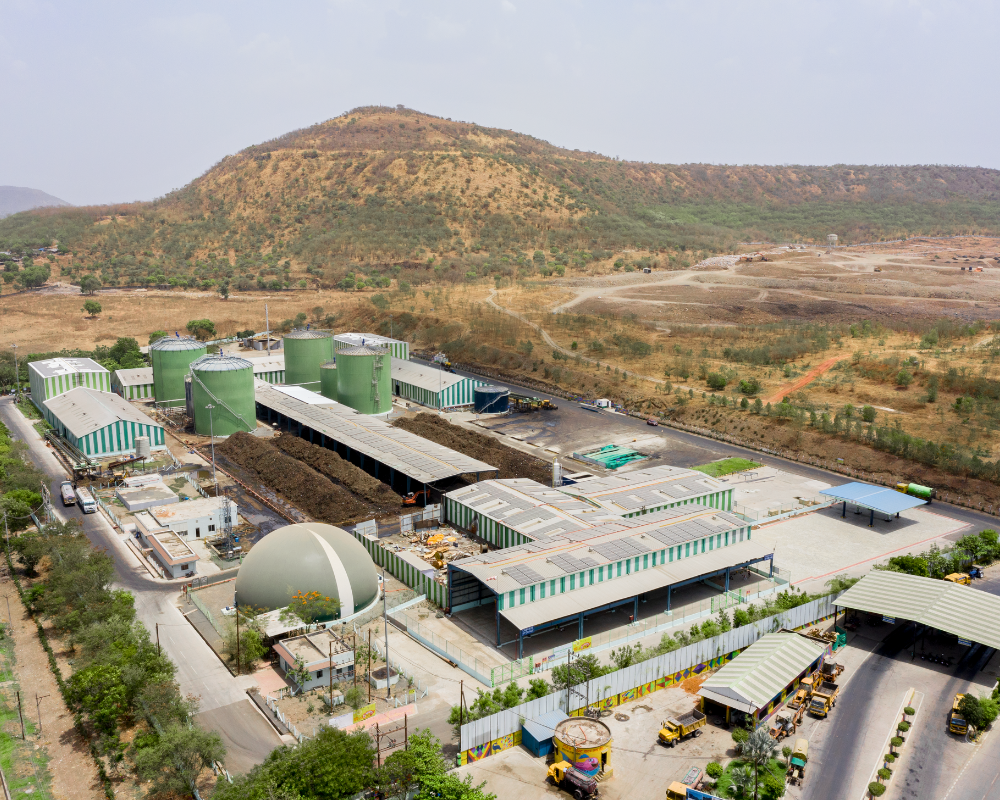
2020–21: The Indore CBG plant, Asia’s largest MSW-based plant, was a turning point.
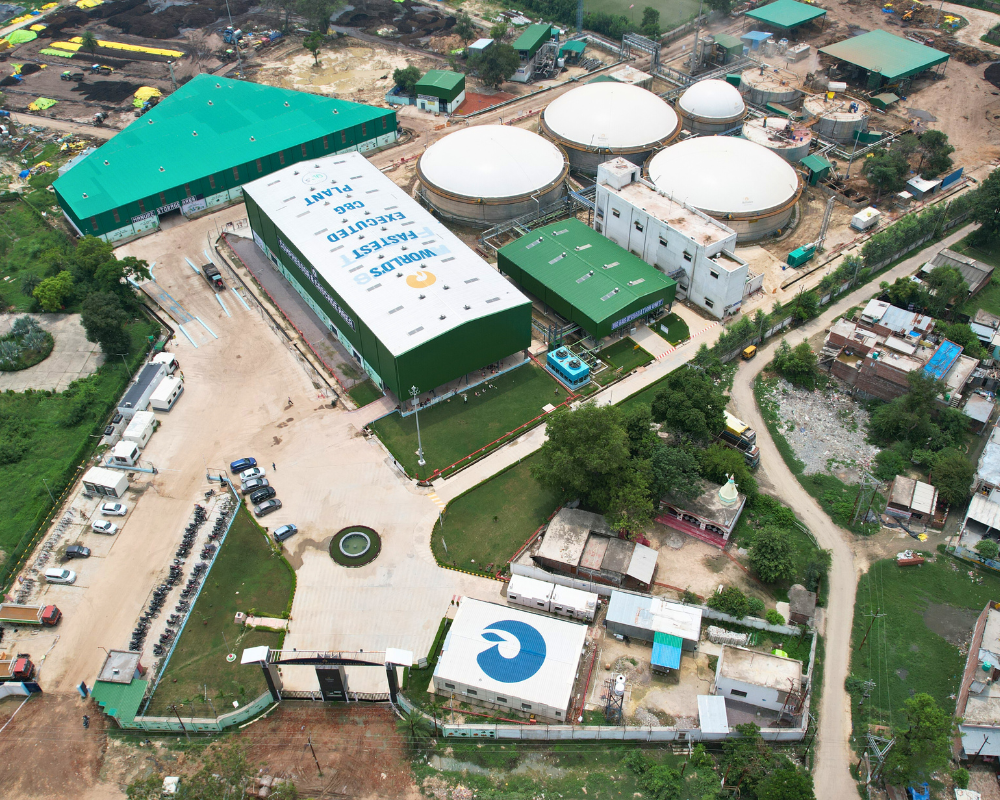
2022–23: The entry of Reliance into biogas marked a signal of sectoral maturity.
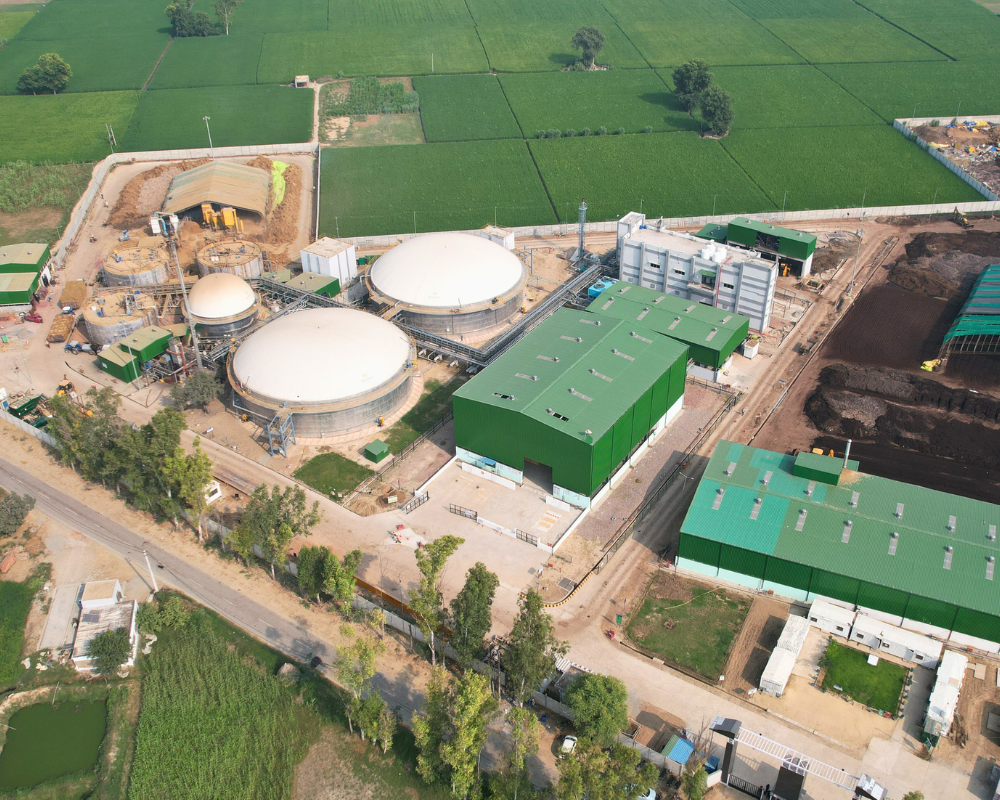
2023–24: India’s Oil Marketing Companies (OMCs) opened their doors to private players.
We were ready.
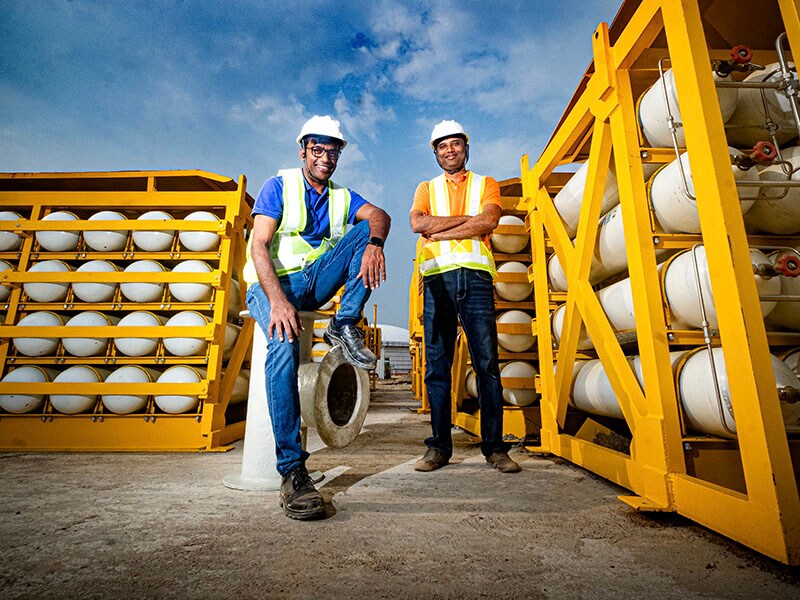
From BioUrja to ARYA, this timeline traces our evolution from idea to impact.





To accelerate the adoption of compressed biogas (CBG), we launched ARYA—a 100% GPS-owned project development arm, now managing JVs with IOCL, BPCL, and OIL. With over 60+ sanctioned projects and 200+ in the pipeline, ARYA mirrors the scale and ambition of global leaders like Reliance Bioenergy and EverEnviro.
From TEPC and O&M of 44+ CBG plants(including 17 for Reliance) to product innovation like OptiMAXX, our high-efficiency carbon capture system, GPS is at the forefront of India’s energy transition.
We’re not just implementing projects, we’re shaping policy, enabling infrastructure,
and building an ecosystem.
What began as a solution for food waste in urban kitchens is now driving India’s biofuel future. And we are just getting started.