

Going Beyond Climate Leadership

GPS Renewables & Our Commitment to the UN Sustainable Development Goals (SDGs)

The United Nations Sustainable Development Goals (SDGs) are a set of 17 global targets aimed at building a more sustainable, equitable, and prosperous world by 2030. These goals tackle critical global challenges, including climate change, clean energy, responsible resource use, and social well-being.

At GPS Renewables, we align our work with seven key SDGs, focusing on:


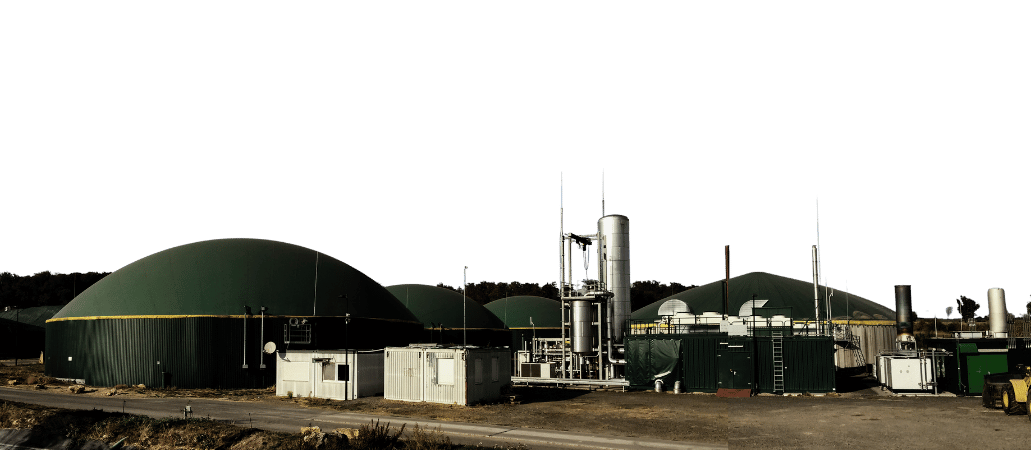
  • Clean energy solutions through biofuels
  • Sustainable waste management to reduce landfill impact
  • Climate action by cutting greenhouse gas emissions
  • Ethical and responsible business practices
  • Economic growth and job creation in the renewable energy sector
Our SDG Impact
Our SDG Impact

Clean Water and Sanitation

Biofuel production technology that reuses water throughout the production process.

Proper effluent treatment infrastructure available as needed.
Affordable and Clean Energy

4,112 MT of CBG generated at the Indore plant which processes municipal solid waste.

393 MT biogas generated from BioUrjas that process food waste.

472MT CBG generated at Barabanki, where agri-residue is the feedstock.

Decent Work and Economic Growth

ISO 45001 certified; robust HSE mechanisms in place to monitor operational health, safety and environment, ensure protection of workers’ rights.

Prioritising local jobs wherever plants are set up.

Sustainable Cities and Communities

620,538.5 tCO2e (GWP20) avoided from landfills, as waste was diverted to our plants.

153,027 tonnes waste processed at MSW waste-to-energy plant.

Responsible Consumption and Production

150,000 tons of agri-residue forecasted to be used during FY25.

Climate Action

Climate Software Lab’s open-source Landslide Tool helps individuals and state administration identify areas prone to landslides by strengthening institutional capacity to identify and mitigate climate-related risks.

GHG mitigation by CBG plants Impact.